Chemistry of Thanksgiving Worksheet – Get ready to gobble up some fun this Thanksgiving! These engaging Chemistry of Thanksgiving Worksheet are filled with turkeys, pies, and gratitude-themed activities that encourage learning across reading, math, and critical thinking—wrapped in Thanksgiving joy.
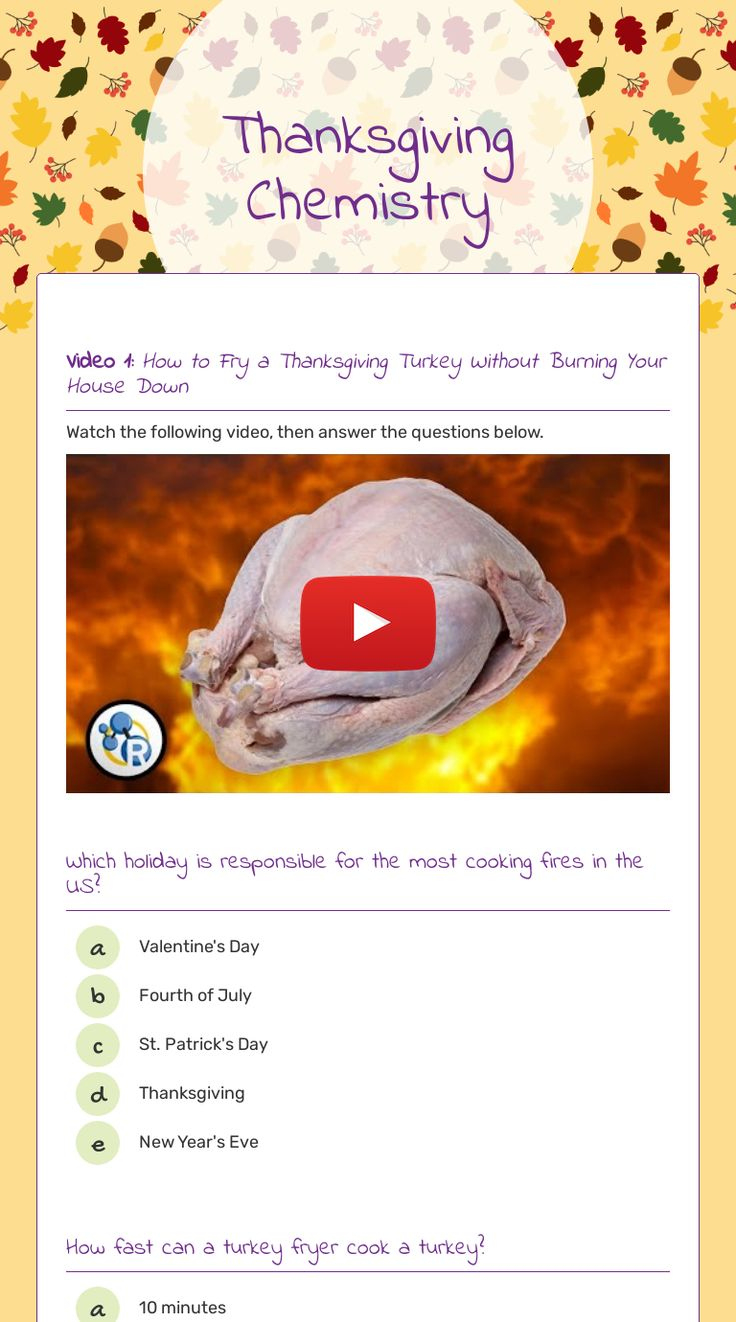 Thanksgiving is a time for gathering with loved ones, expressing gratitude, and indulging in delicious food. But did you know that there is also chemistry involved in this festive holiday? The Chemistry of Thanksgiving Worksheet is a fun and educational resource that explores the science behind some of our favorite Thanksgiving traditions. From the chemical reactions that occur during cooking to the composition of the foods we eat, this worksheet is sure to add an extra layer of excitement to your holiday celebrations.
The Science of Cooking
One of the highlights of Thanksgiving is undoubtedly the feast that is prepared with care and love. As you roast a turkey, bake pies, and whip up mashed potatoes, various chemical reactions are taking place in your kitchen. For example, the Maillard reaction is responsible for the golden-brown color and savory flavor of roasted turkey skin. Meanwhile, the leavening agents in your bread and pies release carbon dioxide gas, causing them to rise and become light and fluffy.
Another interesting aspect of cooking chemistry is the role of acids and bases in balancing flavors. For instance, cranberries are naturally acidic, which is why they pair so well with rich and savory dishes. On the other hand, baking soda is a base that helps cookies spread and rise in the oven. By understanding these chemical principles, you can become a more confident and creative chef in your own kitchen this Thanksgiving.
The Chemistry of Flavor
Have you ever wondered why certain flavors complement each other so perfectly? The answer lies in the chemistry of taste and aroma compounds. For example, the compound responsible for the warm and spicy aroma of cinnamon is cinnamaldehyde. When combined with sweet apples or savory meats, this compound creates a harmonious and delightful flavor profile. Similarly, the compound responsible for the bright and fresh scent of citrus fruits is limonene, which adds a zesty kick to dishes like cranberry sauce or roasted vegetables.
In addition to taste and aroma, the texture of food is also influenced by chemistry. The emulsification of fats and liquids in gravy, for example, creates a smooth and velvety mouthfeel that enhances the overall dining experience. By exploring the chemistry of flavor and texture, you can gain a deeper appreciation for the culinary magic that happens in your kitchen every Thanksgiving.
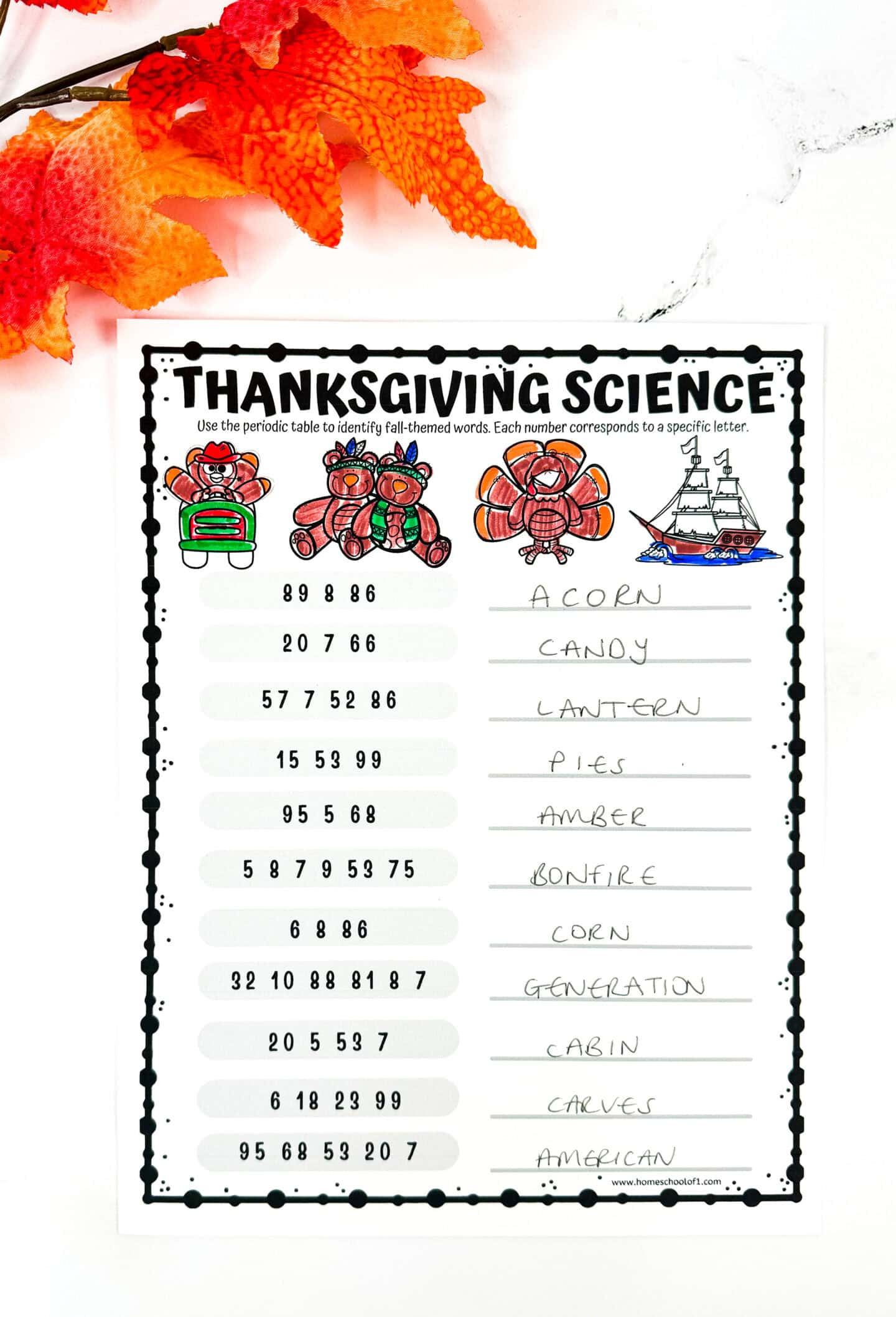
 Thanksgiving Worksheets Printable:
Copyright Disclaimer: The images displayed on this website are sourced from online platforms and remain the intellectual property of their respective copyright holders. We do not claim ownership or copyright over these images. If you are the copyright holder and have concerns, please contact us to request attribution or removal.